What is beauty? Every month PR Consultant & Trend Researcher Katrien Meermans asks the same question in four different ways. Not to find an answer but to rewire her thoughts and feelings.
1. Who gets to give advice?
More young women arrive at therapy with a diagnosis already in mind, psychiatrist Suzanne Garfinkle-Crowell writes in The New York Times. ADHD, OCD, anxiety: often self-diagnosed through TikTok and late-night chats. Nearly half of Gen Z has given themselves a mental-health label.
I do it too. When something worries me, I search for it online, often scrolling longer than I should. But how much of this advice can we trust, and what does it do to an already overwhelmed mind?
China is trying to address this. Since October 2025, influencers discussing medicine, finance, education or law must hold relevant qualifications, or risk fines of up to 100,000 yuan (€13,000). The rule has sparked debate: is a compelling personal story enough to give advice, or does expertise matter?
Personal stories have given a voice to people who went unheard for years. But lived experience and professional expertise aren’t the same. For wellness and health brands, this raises an important question: who gets to speak on your behalf, and why?
The Ad Council’s 2026 teen campaign Zill encourages young people to look after their mental health without rushing to label it. Sometimes, that starts with talking to a friend, going outside, sharing a laugh, doing sports or simply putting your phone away. Perhaps the best thing for your mind is to go offline.
2. Cooling beauty
© Tyrell Hampton
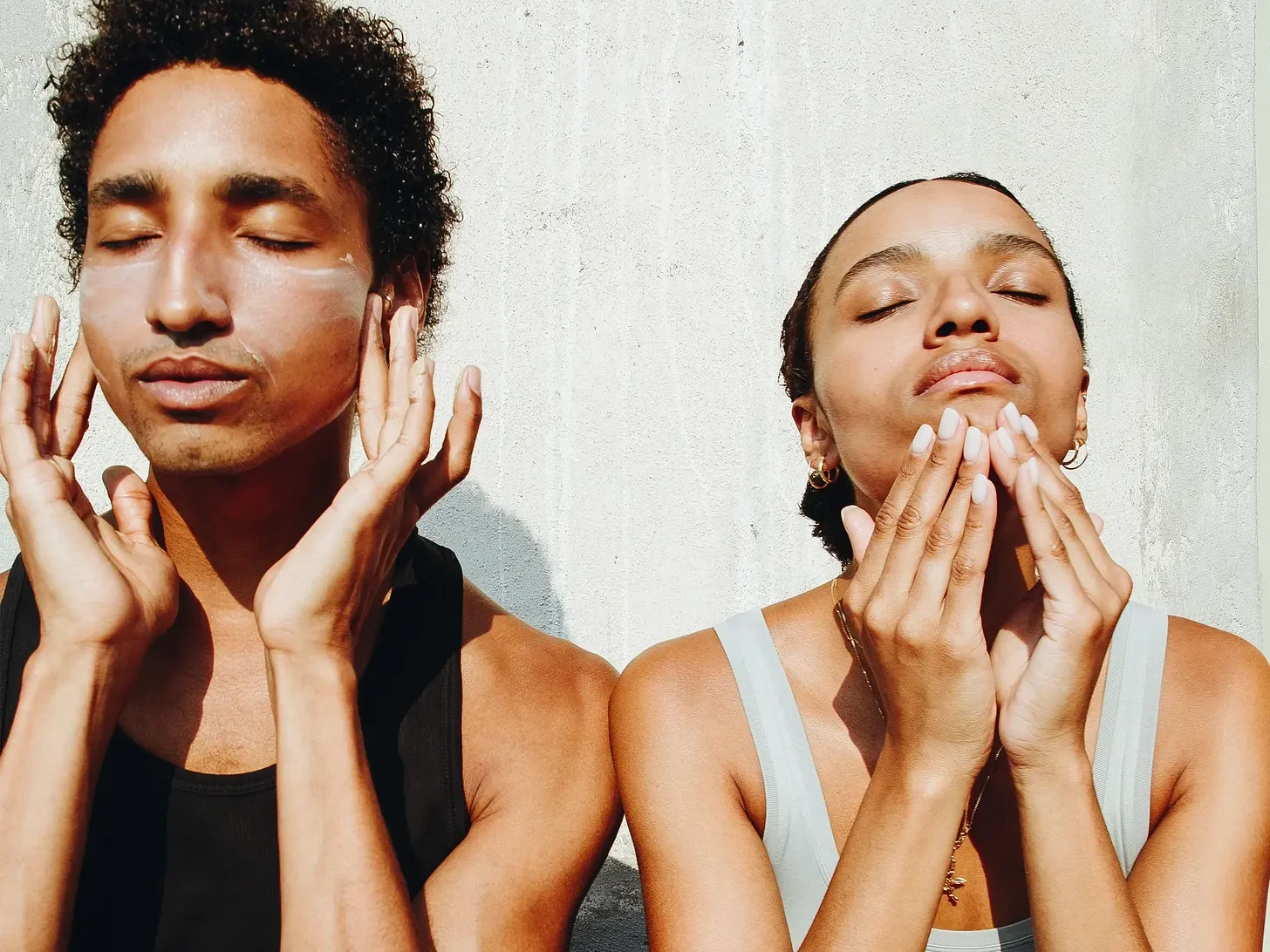
Three months of heat this summer sent beauty brands looking for ways to cool us down. Shiseido launched Sorbet Serum in Japan, a limited edition you keep in the freezer until the gel turns into a kind of granita that cools, calms and hydrates the skin. Dr.Jart+ has a powder you mix into a sorbet mask, and Secret a cooling mist for the whole body.
BeautyMatter calls it ‘cooling beauty’, and according to Spate, searches for cooling eye pads rose 356.5% in a year. In Korea and Japan, it’s nothing new: Kobayashi has been selling cooling gel sheets for the forehead for over twenty years.
Cosmetic scientist Dr Dominika Andrys already sees what’s next: cooling scalp care, after-sun and roll-ons you keep in the fridge.
There is a fine line, though. In Vogue Business, Amy Gilmore, strategic partner at research and strategy studio Untangld, warns against hyperbolic climate language: a cooling mask or scalp mist can ease discomfort for a while, but it’s no answer to a systemic crisis. People will look for better sleep in the heat, calmer skin and fresher commutes, and brands can help. But, Gilmore says, “the tone needs to be useful, not exploitative.”
3. Two pages of sky
© James Denman
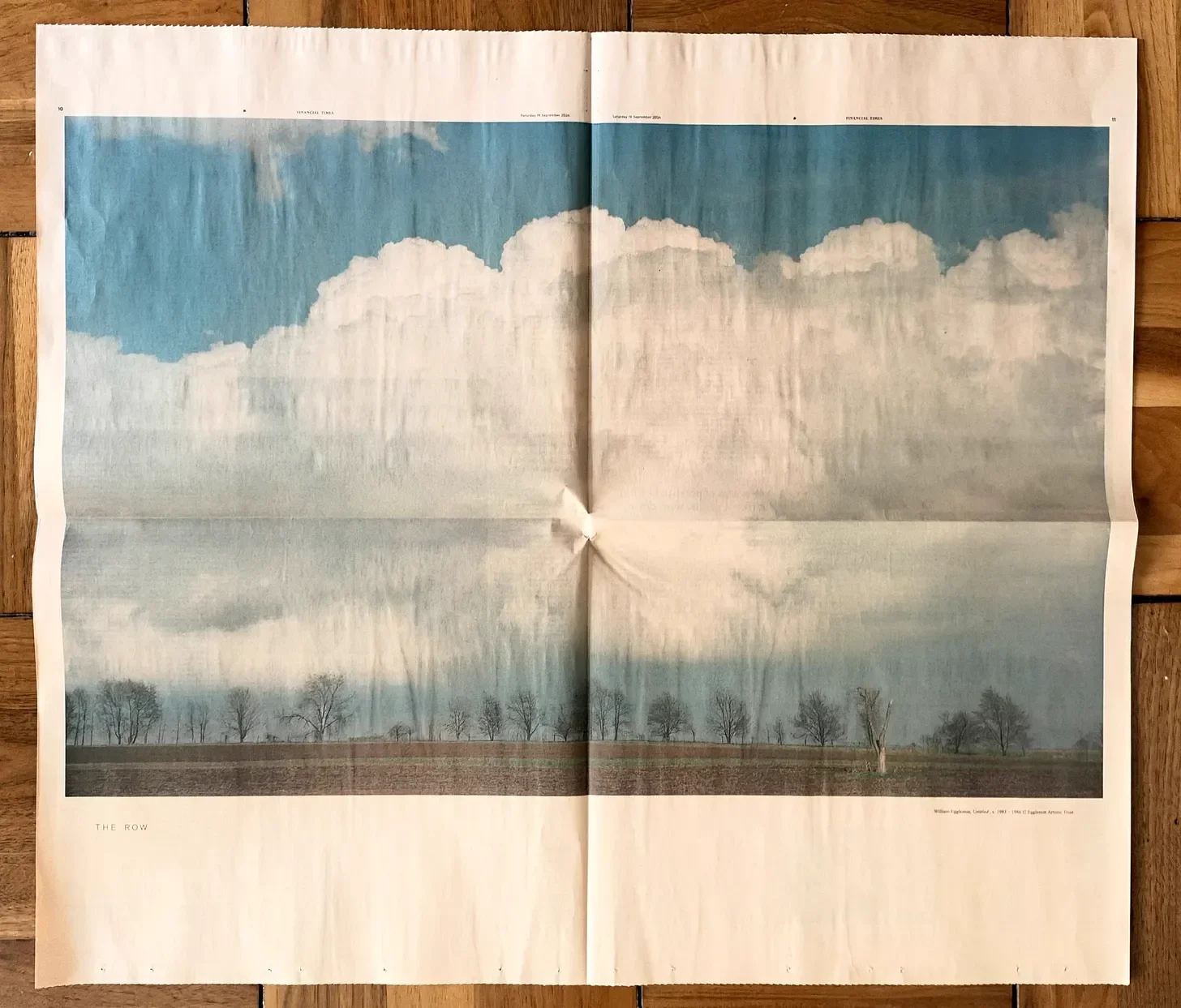
On 19 September 2026, the Financial Times carried a double-page ad by The Row. There was no product in it, only a photograph by William Eggleston: a wide sky with heavy clouds above a row of bare trees. The brand name sat small in the corner. The image is part of The Row’s autumn/winter 2026 campaign, which also includes portraits of Eggleston by Jamie Hawkesworth.
Art and culture are everywhere in brand communication right now. Collaborations with artists, exhibitions in flagship stores, book clubs, museum nights … I understand why. But a museum visit or an afternoon with a book are moments I want to experience in silence, alone or with the people I love. I don’t want a brand squeezing its way into them.
Yet The Row has never worked that way. Mary-Kate and Ashley Olsen chose from the start to be the designers but not the faces of their brand. Rickie De Sole, now fashion director at Nordstrom, remembers the early presentations for the art on the walls and the chair placed just so in the corner. It was always the clothes and the world around them, she told Marie Claire, from day one.
Online, that world carried on. Ruthie Friedlander, the brand’s former digital director, explains that most brands on Instagram back then put their founders and celebrities first. The Row didn’t, and its feed still looks more like a gallery than a shop. Former Barneys executive Julie Gilhart sums it up: it was never a strategy, it’s just how these people are.
4. A different kind of toast
© Circadian - A two-hour, fine dining experience with design, art and tea at its heart.
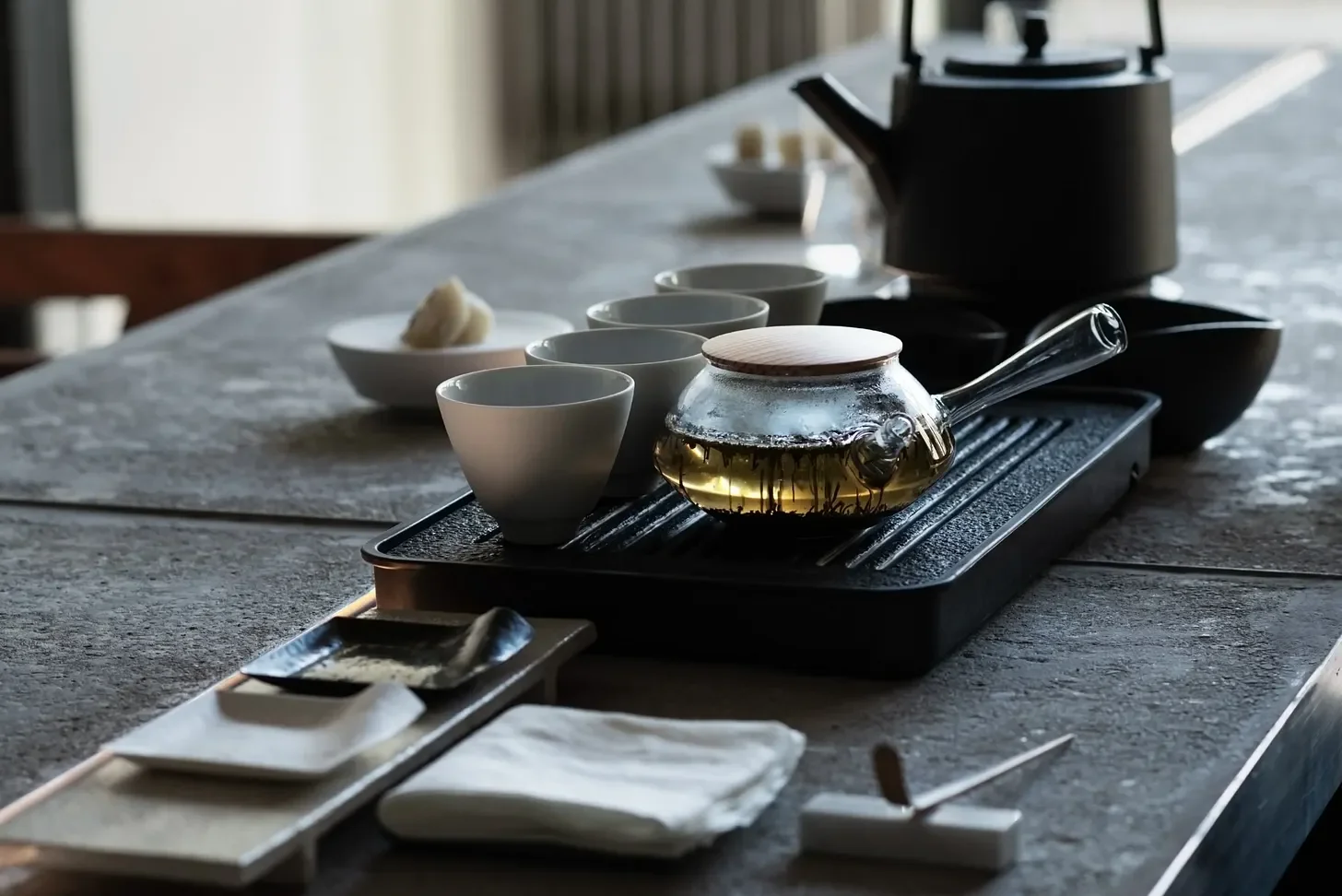
In Berlin, Circadian has opened a new tea atelier. Here, gyokuro, a rare Japanese green tea, is cold-brewed for eighteen hours and served in long-stemmed wine glasses, in sessions of five people at most. It fits a wider shift: more and more people are cutting back on alcohol, and many of them say they simply want to have fun without it.
I wasn’t much of a drinker. A glass of wine was mostly habit, because everyone at the table ordered one, or because it was simply what you were offered. This summer I stopped altogether, and I sleep much better and I no longer wake up feeling foggy.
Socially, the alcohol-free option hasn’t always had much to offer. A soft drink or a very sweet mocktail, while everyone else gets something a little more special. Circadian gives tea a language of its own, borrowing from the Japanese tea ceremony, from sake and from wine. Also in Germany, the Mindful Drinking Club follows the same idea, with guided tastings of alcohol-free aperitifs that don’t try to imitate gin or rum.
Choosing what’s in your glass is a small act of care. For your sleep, for your head, for the morning after.