On T-beauty, wake-up calls, art as anti-ageing and friends made far from home.
What is beauty? Every month PR Consultant & Trend Researcher Katrien Meermans asks the same question in four different ways. Not to find an answer but to rewire her thoughts and feelings.
1. Mental: Sleep. Or die. Full stop.

© Sleep or Die: the rebellious, anti-wellness sleep brand founded by Lauren Sudeyko
Sleep or Die. The name hits differently. And the packaging matches it: stark reds, high contrast, a box shaped like a cigarette pack, flip-top included, with a strip that dissolves on your tongue like blotter acid.
“I started by talking to women about how they felt about sleep,” founder Lauren Sudeyko says in an interview on Beauty Independent. “They were frustrated, they were tired, they felt unseen in the category and they felt guilty when it came to sleep aids. What if they felt badass? What if they felt sexy? The more that I went into the feeling I wanted them to have, everything else started to fall into place.”
The brand treats sleep as a biological necessity, not a wellness ritual. It doesn’t dress up a genuine crisis in candlelight and soft-focus imagery but insteads names it for what it is.
2. Physical: can Thai beauty calm the mind of the world?
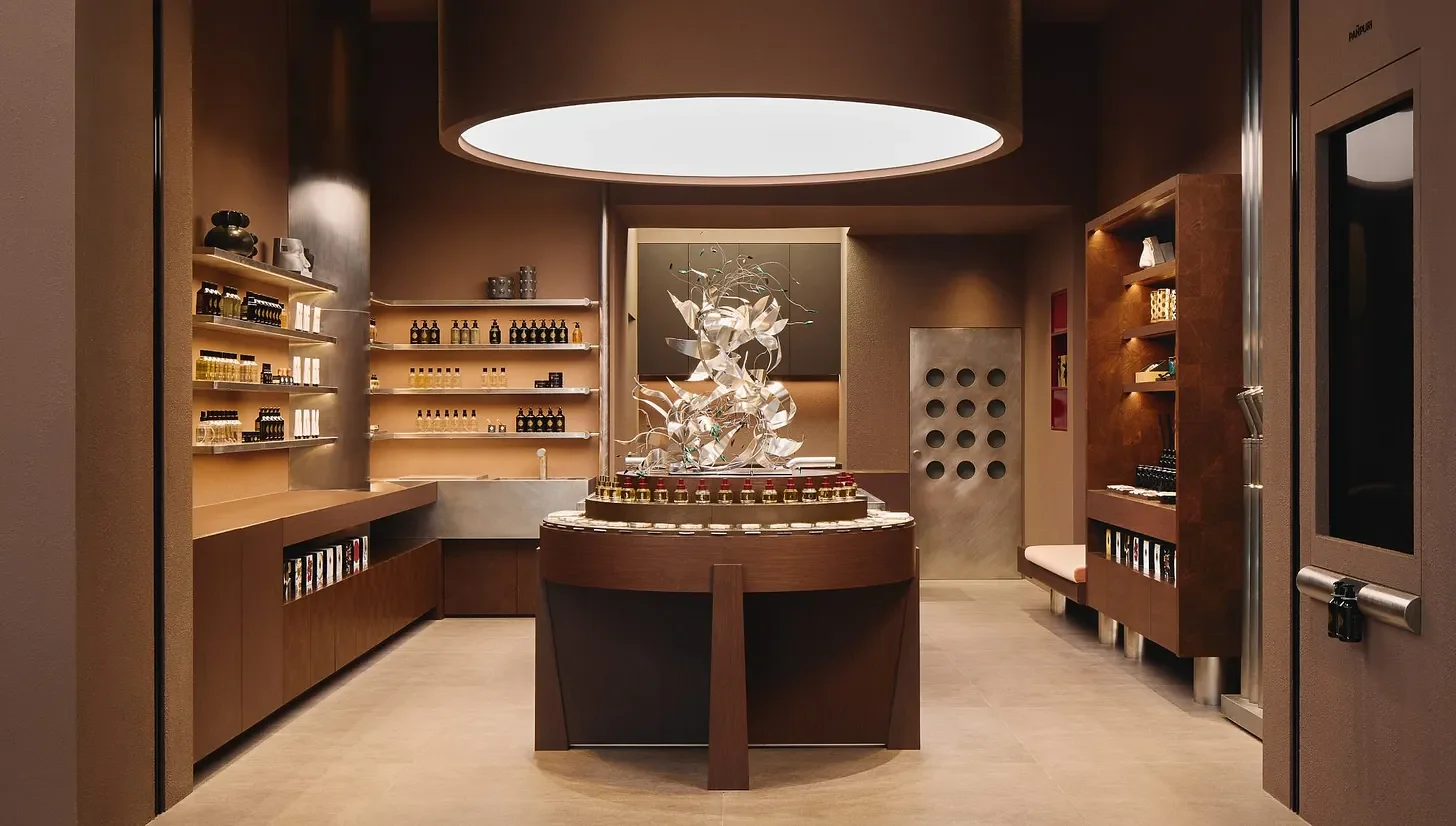
© Pañpuri: Thai wellness rituals emphasize the balance of energy flow within the body, mind, and soul
The door of the Pañpuri boutique closes, and everything outside just fades away. Hours later, you can still smell a soft scent in your hair. It reminds you of a slower, more special kind of beauty. One based on old Thai wellness traditions.
These stores are not just for shopping. They’re meant to be an experience, using scent, touch, and feeling.
K-Beauty (Korean beauty) became popular because of its methods: many steps, strong ingredients, and quick results you can see. T-Beauty (Thai beauty) is different. It asks: what if a beauty routine was made to relax your mind, not just improve your skin?
Nation Thailand explained it well this year: Thailand doesn’t just want to buy beauty products from other countries anymore. It wants to become one of the main places where beauty trends are born.
3. Aesthetic: the serum is on your bookshelf

© Photo from the series “People taking pictures of art in museums” by Katrien Meermans
In May, University College London published a study that changed how we think about staying healthy. People who enjoy art or culture at least once a week — like visiting museums or listening to music — age 4% slower on a biological level. That means they’re about one year “younger” than people who don’t. This effect is about as strong as quitting smoking or exercising regularly.
The researchers studied 3,556 British adults and looked at real chemical changes in their DNA using seven different aging tests. So these aren’t just guesses. They’re solid numbers. And they’re linked to something very simple: what you take in mentally. Walking through a museum. Really listening to music. Finishing a book and thinking about it afterward.
“The museum as skincare” sounds like a joke headline. But maybe it’s actually the truest idea of what beauty really is: not what you put on your skin, but what you feed your mind. Maybe the best beauty product of the future isn’t a cream but a book on your shelf.
4. Social: leave with strangers. Come back with friends.

© WeRoad: group trips bringing strangers together to beat loneliness
There used to be a time when traveling alone was seen as proof that you had “found yourself.” All by yourself, feeling free but (maybe) often lonely too. In 2026, the platform WeRoad showed that this idea isn’t really true anymore.
WeRoad organises trips for small groups of 8 to 15 people who share the same interests. In May, it raised 49 million euros, led by Airbnb. It fills a need that apps can’t: 41% of Gen Z feel lonely not just sometimes, but as a regular part of life.
Millennials and Gen Z really want real, in-person connections. And more of them are willing to pay for it. WeRoad’s idea is simple and a bit old-school, in a good way: you leave on the trip with strangers, and you come back with friends.